Source Portable Red Light Therapy Lamp for Skin Care
Find 30 portable red light therapy lamp options for skin care, analgesia, and home use. Compare models with 225 LEDs, CE certification, and multiple plug types to select the right device for your business needs; compare the available evidence and request quotations based on your requirements.
Key considerations
Products List


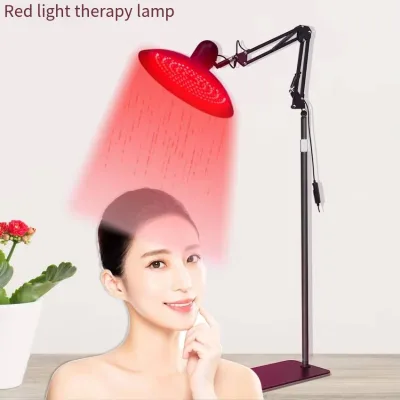
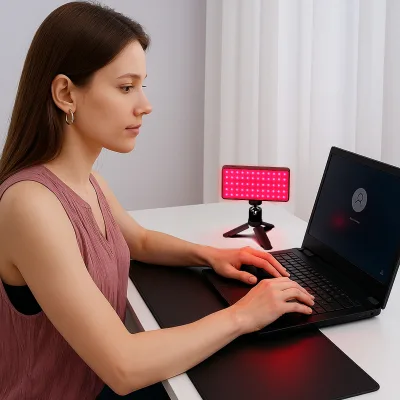


Comprehensive Sourcing Guide
Portable Red Light Therapy Lamp Sourcing Guide
Procurement of portable red light therapy lamps requires careful alignment between device specifications and intended clinical or home applications. The observed market data indicates a diverse range of models, from compact units designed for half-body treatments to larger systems suitable for specialized orthodontic departments. Buyers must distinguish between devices labeled as specialized instrument equipment and those categorized as general mechanic equipment, as this distinction often dictates the appropriate usage environment and regulatory pathway.
Verification of the core technology is essential before finalizing any purchase order. While many listings cite Red Light Therapy as the primary mechanism, some documentation references laser theory, creating potential confusion regarding the actual emission source. Sourcing teams should prioritize suppliers who explicitly define the LED quantity and wavelength ratios, such as the observed 225 LED count or specific spectral ratios like 660nm to 850nm, to ensure the device delivers the intended photobiomodulation effects without relying on unverified claims.
Product Scope and Observed Listing Signals
The current market presents a wide variance in physical dimensions and portability features, ranging from compact units measuring 25x14x3.5cm to larger panels sized at 60x20cm. Buyers should carefully evaluate the "Portable" attribute against the actual weight and power consumption, as some devices listed with 60W power consumption may require stable power sources despite being marketed as portable. The presence of an LCD display and multiple energy levels suggests advanced user control, which is a critical factor for professional settings requiring precise treatment protocols.
Packaging and shipping logistics also vary significantly across the observed listings, with some products packed in standard boxes while others utilize cartons for bulk protection. The origin location, frequently cited as Henan, China, influences the supply chain dynamics and potential lead times for international orders. Procurement teams must verify if the listed "10KG" standard refers to the product weight or a shipping weight limit, as this impacts freight costs and handling requirements for the receiving facility.
Technical Specifications to Verify
Technical due diligence must focus on the LED configuration and energy output to ensure therapeutic efficacy. Buyers should confirm the specific LED quantity, such as the observed 225 LEDs, and verify the power rating per diode, noting that some models specify 60 units of 5W each. The lifespan of the light source is another critical metric, with observed data suggesting a 50,000-hour operational life, which directly impacts the total cost of ownership and replacement frequency for high-volume users.
Charging capabilities and usage duration are vital for portable models intended for mobile or home use. Specifications indicate a charging time of 4-5 hours with a subsequent usage window of 2-3.5 hours, which dictates the operational workflow for practitioners. Additionally, the power consumption of 3W for smaller units versus 60W for larger panels requires careful electrical infrastructure planning. Buyers must ensure the device supports the required voltage and frequency for their specific region to prevent operational failures.
Compliance and Safety Documentation
Regulatory compliance is a non-negotiable aspect of sourcing medical-grade or specialized therapeutic equipment. The observed listings frequently cite CE certification, and some include ISO standards, which are essential for market access in Europe and other regions requiring strict safety adherence. Procurement teams must request valid, up-to-date certificates that match the specific model number, such as G-RL or OMH02, to ensure the certification covers the exact configuration being purchased rather than a generic family approval.
Safety documentation should also address the electrical and optical safety of the device, particularly given the high-intensity light output. While RoHS compliance is mentioned in background data, it should not be assumed without explicit verification from the supplier. Buyers must ensure that the device meets local safety standards for electrical appliances and that the materials used, such as aluminum alloy, are free from hazardous substances. This verification protects the buyer from liability and ensures the safety of end-users during treatment sessions.
Cost Drivers and Commercial Terms
Pricing in this category exhibits a broad range, observed between 12 and 1000 USD, driven by factors such as LED count, power output, and included features like LCD displays. The minimum order quantity (MOQ) varies significantly, with some suppliers offering single-piece orders while others require a batch of 10 pieces. Buyers should analyze the unit cost against the total order volume to determine the most economical procurement strategy, considering that higher MOQs often yield better per-unit pricing but increase inventory risk.
Payment terms and sample availability are critical components of the commercial negotiation process. The market supports various payment methods including PayPal, Western Union, TT, and Trade Assurance, each offering different levels of financial protection. Suppliers often provide samples for evaluation, which allows buyers to verify the build quality and performance before committing to a larger order. Understanding the specific terms for sample provision and the associated costs is essential for managing the initial procurement phase effectively.
Supplier Qualification and Quality Control
Supplier qualification should extend beyond basic product listings to include an assessment of their manufacturing capabilities and quality control processes. The origin of the products, primarily from Henan, China, suggests a concentration of manufacturing expertise in this region, but buyers must verify the specific factory's capacity to maintain consistent quality across batches. Requesting proof of the "Specialized Instrument Equipment" classification and the "Mechanic Equipment" type ensures the supplier has the necessary technical background to produce reliable therapeutic devices.
Quality control measures must be explicitly defined in the purchase agreement to mitigate the risk of receiving substandard units. Buyers should insist on pre-shipment inspections that verify the LED quantity, power consumption, and physical dimensions against the agreed specifications. The presence of a "Sample Provided" option is a positive indicator, but it should be complemented by a clear protocol for handling defects and returns. Establishing a robust quality assurance framework is essential for maintaining the integrity of the supply chain.
Long-Term Procurement Checks
Sustaining a successful procurement relationship requires ongoing monitoring of product performance and supplier reliability over time. Buyers should track the actual lifespan of the LEDs against the claimed 50,000 hours to validate the durability claims made by the supplier. Regular performance audits can help identify any degradation in light output or battery efficiency, ensuring that the devices continue to meet the therapeutic standards required for their intended applications.
Future-proofing the procurement strategy involves staying informed about technological advancements and regulatory changes in the red light therapy sector. As the market evolves, new standards or certifications may emerge that impact the compliance status of existing inventory. Buyers should maintain open communication with suppliers to anticipate updates in product models, such as the transition from G-RL to G-RLTL, and ensure that their procurement plans align with the latest industry developments and best practices.
FAQs
What is the LED quantity in this portable red light therapy lamp?
The device features 225 LEDs to ensure comprehensive coverage for targeted therapy sessions. This high density supports effective skin care and analgesia applications. The specific model G-RLTL utilizes this configuration to deliver consistent red light exposure. Users benefit from the robust array designed for both half-body and target treatments.
Can I customize the plug type for international use?
Yes, customization is available to accommodate various international electrical standards. The supplier offers US, UK, EU, and AU plug options to suit different regional requirements. This flexibility ensures the device integrates seamlessly into local power systems. Buyers can specify their preferred plug configuration during the ordering process to avoid compatibility issues.
What certifications does the portable red light therapy lamp hold?
The product holds CE certification, confirming compliance with relevant safety standards. Some listings also reference ISO certification for quality management. These credentials indicate adherence to regulatory requirements for medical and cosmetic equipment. Buyers should verify specific certificate documents with the supplier to ensure they meet local import regulations.
What is the minimum order quantity for bulk purchases?
The minimum order quantity varies, with some listings accepting just one piece. Other options may require a minimum of ten pieces for certain configurations. This flexibility allows both small-scale testers and larger buyers to place orders. The specific MOQ depends on the selected model and customization requirements agreed upon with the manufacturer.
How long is the battery lifespan and charging time?
The device requires approximately four to five hours for a full charge. Once charged, it provides two to three and a half hours of usage time. The LED lifespan is rated at 50,000 hours for long-term durability. This portable design supports convenient use without constant reliance on external power sources.
What are the dimensions and weight of the device?
The standard model measures 60 by 20 centimeters for broad treatment areas. Another variant has dimensions of 25 by 14 by 3.5 centimeters for portability. The packaging standard indicates a weight of 10 kilograms for shipping purposes. These sizes accommodate different treatment needs while maintaining a manageable form factor for home use.
Is the device suitable for orthodontic department applications?
Yes, the equipment is listed as applicable for the orthodontic department. It serves as specialized instrument equipment for professional clinical environments. The red light therapy function supports various therapeutic procedures within dental and orthodontic practices. Buyers in this sector can utilize the device for targeted analgesia and skin care protocols.